Understanding HVAC systems is essential for maintaining a comfortable and energy-efficient home or business. This guide will provide you with the fundamental knowledge about HVAC services, offering insights into their importance, maintenance, and how to choose the right system for your needs.
Understanding HVAC Systems
What is HVAC?
HVAC stands for Heating, Ventilation, and Air Conditioning, and it refers to various systems used for moving air between indoor and outdoor areas, along with heating and cooling both residential and commercial buildings. These systems aim to improve indoor environmental comfort. HVAC systems have become an integral part of everyday life, playing a pivotal role in maintaining a comfortable indoor climate, irrespective of the external weather conditions. They are responsible for regulating the temperature, humidity, and air quality of indoor environments, ultimately affecting overall health and well-being. With their significance growing, understanding these systems has become increasingly important for homeowners and businesses alike.
The significance of HVAC systems reaches beyond mere comfort; they contribute to the overall energy efficiency of a building. An efficient HVAC system can save money on utilities and reduce a building’s carbon footprint. However, with dysfunctional systems, energy can be wasted, leading to higher costs and greater environmental impact. Therefore, having a basic understanding of what HVAC encompasses can aid in recognizing the importance of maintaining and upgrading these systems as necessary. The benefits of understanding HVAC systems include improved performance, increased lifespan, and enhanced indoor air quality.
Technological advancements have expanded the capabilities of HVAC systems, offering more energy-efficient and environmentally friendly options. Many modern HVAC systems are designed to minimize energy consumption, integrate with renewable energy sources, and enhance air purification processes. These systems not only provide comfort but also contribute to sustainability goals by reducing emissions and supporting energy conservation. As awareness grows regarding environmental impact, more individuals and businesses are focusing on selecting HVAC solutions that align with these evolving standards. Knowledge of various HVAC features and innovative designs enables users to make informed decisions suited to their specific needs.
Components of an HVAC System
The components of an HVAC system include essential parts that work together to regulate the indoor environment. Key components typically involve heating units like furnaces or boilers, a ventilation system for air distribution, and an air conditioning unit for cooling. Additional components may include thermostats for temperature control, ductwork for air circulation, filters for air quality, and heat pumps as an alternative to more conventional heating and cooling methods. The integration of these components ensures the system functions harmoniously, providing effective climate control throughout the space. Understanding these components and their functions can help identify potential issues and ensure the system performs optimally.
Each component of an HVAC system plays a specific role, and issues in one area can affect overall performance. For instance, clean and well-maintained ductwork can efficiently transport heated or cooled air, while clogged filters may hinder air quality and airflow. Regular maintenance and servicing of each component help in ensuring their longevity and efficient operation. Becoming familiar with the roles of each component allows users to troubleshoot common problems and execute basic upkeep to prevent more significant repair needs. Consistent operation of components relies on their interdependence, emphasizing the necessity of understanding their functions and maintenance requirements.
Advancements in HVAC technology have introduced smart components, enhancing system efficiency and user convenience. Smart HVAC systems can automatically adjust settings based on outdoor conditions or specific preferences, providing greater comfort and energy savings. Smart thermostats, for example, allow for remote management and customized scheduling, optimizing energy use. Innovations in HVAC components further enhance environmental sustainability, reducing energy consumption and minimizing carbon footprints. Understanding these smart components and their benefits encourages informed decisions on upgrades and system enhancements that lead to long-term efficiency and comfort.
How Do HVAC Systems Work?
HVAC systems function by controlling indoor climate, utilizing its components to heat, ventilate, and cool spaces. The process begins with a heat exchange, where warm or cool air is generated and distributed throughout a building. The system's operation involves air intake from an external or indoor source, where it is conditioned through air handling units and then circulated through a network of ducts. The effectiveness of this process relies on maintaining a delicate balance between heating and cooling components, ventilation efficiency, and control mechanisms. A deeper understanding of these operations fosters better system management and elevates overall comfort levels.
The balancing act of HVAC systems ensures optimal performance through integrated processes. The heating component, such as a furnace, generates heat using fuel like gas or electricity, circulating it through the building using ducts. Air conditioning systems, conversely, remove heat from the air, cooling the interior using a similar duct network. The ventilation system manages airflow quality, filtering and circulating fresh air to uphold a healthy indoor environment. This coordination of components assures an efficient transition between heating and cooling modalities, bridging comfort and energy efficiency.
Given the complexity of their operations, HVAC systems require meticulous management to ensure proper functionality. Missteps in system function can lead to excessive energy use, increased operational costs, and diminished air quality. Being mindful of system upkeep and timely servicing can mitigate these issues, preserving system efficiency. As more people become invested in their energy consumption, understanding HVAC system workings, alongside tailoring settings and maintenance, becomes invaluable in maximizing output and minimizing environmental impact. This knowledge lets consumers make the most out of their investments, optimizing indoor conditions while promoting sustainable living.
Types of HVAC Systems
Various HVAC systems are available, each tailored to cater to different needs and preferences. The most common types encompass central air conditioning, heat pumps, ductless mini-split systems, and packaged systems. Central air conditioning is prevalent in many homes, offering uniform cooling by using a system of ducts to circulate air. Heat pumps, suitable for moderate climates, efficiently heat or cool by transferring heat between indoor and outdoor areas. Understanding the unique differences and benefits of each type aids users in making more informed decisions when selecting a system that best meets their requirements.
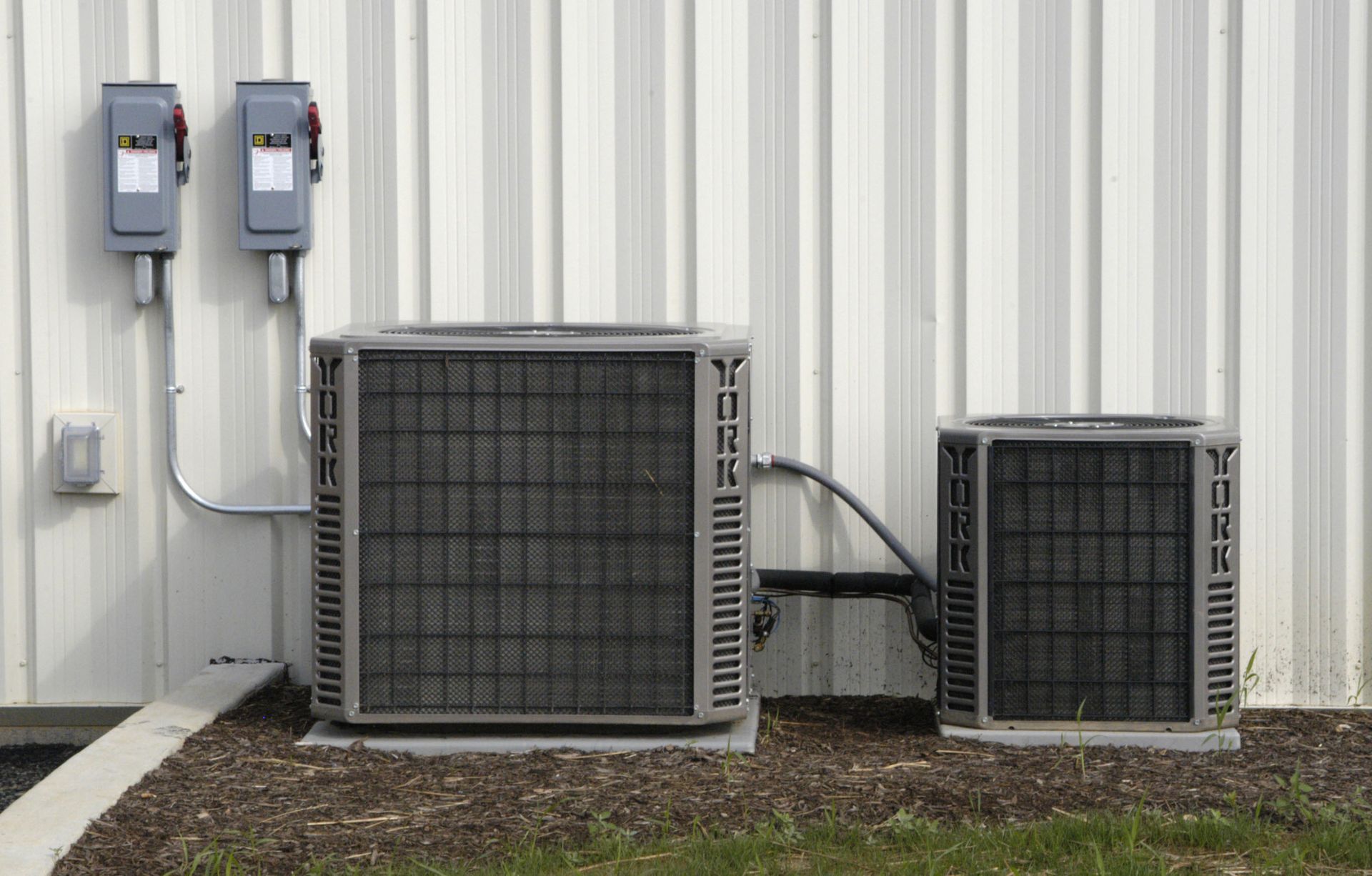
Ductless mini-split systems offer a versatile alternative to conventional systems, perfect for individualized climate control and flexible installations. They consist of an outdoor compressor connected to indoor units by refrigerant lines, eliminating the need for extensive ductwork. These systems are energy-efficient and cater well to spaces where ducts might not be viable. Packaged systems combine all HVAC components into a single unit, making them convenient for buildings with limited indoor space. Exploring the attributes of different HVAC systems enables users to identify desired features, weigh pros and cons, and select the system configuration that aligns with their demands.
The advantages of HVAC systems extend beyond thermal comfort, contributing positively to various aspects of indoor living. Among their primary benefits is enhanced indoor air quality, as they regulate humidity, filter pollutants, and provide a constant flow of fresh air. This function is crucial in maintaining a healthy living or working environment devoid of allergens, pollutants, and excess moisture. According to Workyard, while nearly one in three homeowners express concern over the condition of their HVAC system, only 30% routinely schedule preventative maintenance. An effectively functioning HVAC system also assists in preventing adverse health effects like respiratory ailments and allergies. Regular maintenance ensures these benefits are consistently realized, supporting a healthy and comfortable indoor setting. Be sure to reach out to Verlander's Heating & Air LLC today to learn more about our professional HVAC services!